Ultimate Guide: Dog Therapy Training Success!
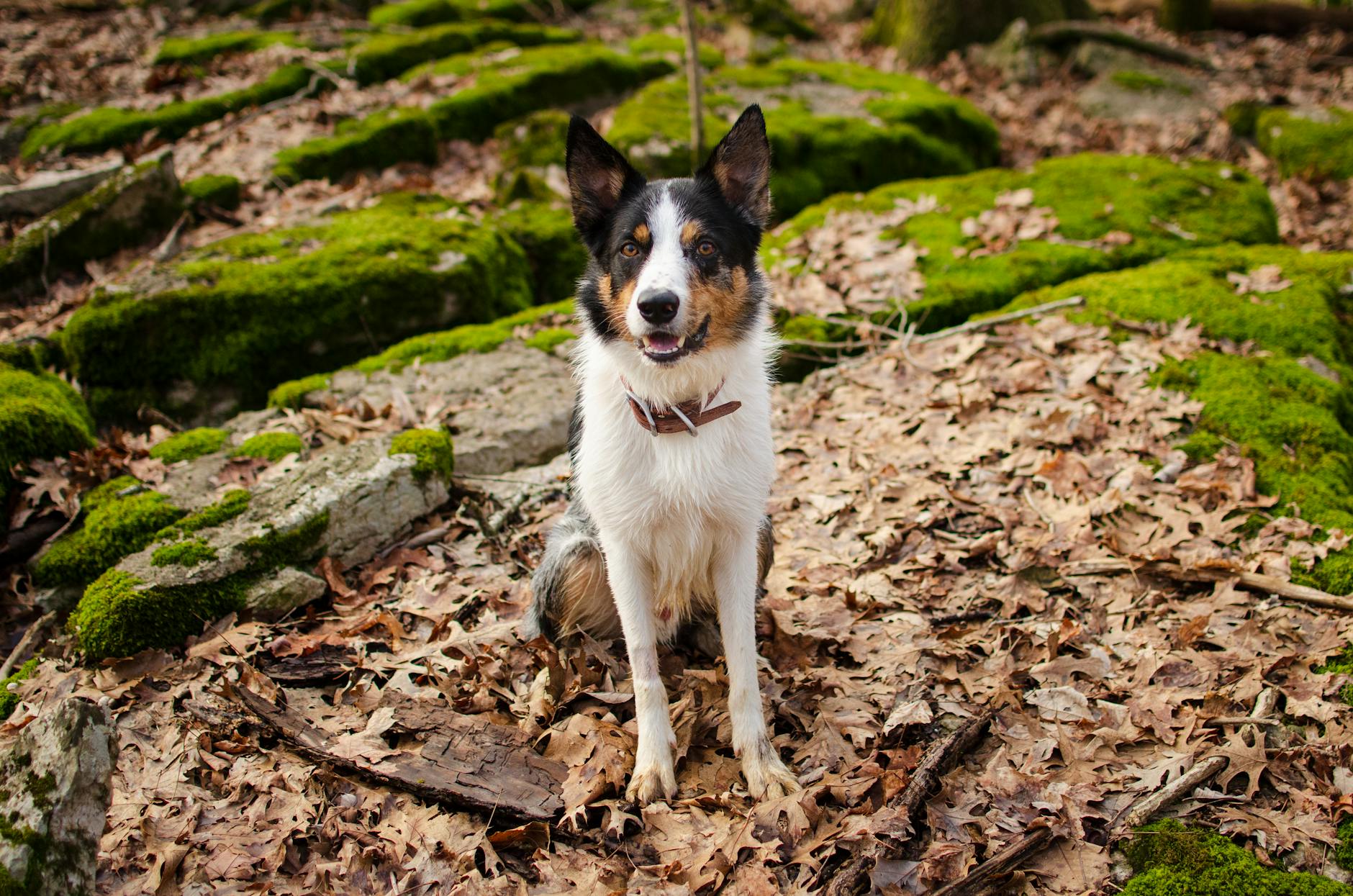
Therapy dogs are invaluable companions that provide comfort, affection, and support to people in need. Becoming a certified therapy dog involves a process of training and evaluation to ensure that both the dog and handler are suited for therapeutic interactions. In this guide, we will discuss key techniques for training your dog to become a therapy animal, ensuring you are well on your way to achieving therapy training success.
Understanding Therapy Dogs
Before diving into training, it's crucial to understand what therapy dogs do. A therapy dog is trained to provide psychological or physiological therapy to individuals other than their owners. Unlike service dogs, therapy dogs are not trained to perform specific tasks for a person with a disability. Instead, they offer emotional support in settings like hospitals, schools, and nursing homes.
Assessing Your Dog's Suitability
Not every dog is suited for therapy work. Therapy dogs should have a calm and friendly disposition. They need to be comfortable with human contact and be well-behaved in a variety of environments. Typically, a good therapy dog candidate is:
- Social and enjoys interacting with people
- Non-aggressive towards people and other animals
- Calm and gentle in interactions
- Able to adapt to new environments and situations
- Responsive to basic obedience commands
Basic Obedience Training
A solid foundation in obedience is essential for any therapy dog. Your dog should respond reliably to commands such as "sit," "stay," "come," "down," and "leave it." These skills ensure that you can maintain control of your dog in various environments. Obedience classes can be a great way to train these skills and provide socialization experiences.
Socialization and Exposure
To prepare your dog for the wide range of experiences they might encounter as a therapy dog, it's important to expose them to different people, settings, and scenarios. Socialization can include:
- Visiting parks, stores, and other public spaces to interact with strangers
- Encountering people in uniforms, with walking aids, or wearing hats and sunglasses
- Experiencing various noises and smells
Socialization should be a positive experience, so always reward your dog for calm and appropriate behavior in new settings.
Desensitization Training
Therapy dogs must be comfortable being touched by strangers and not react negatively to unexpected petting or hugging. Desensitization training involves gradually introducing your dog to being touched in various ways and in different places on their body. Positive reinforcement is key to making these experiences enjoyable and stress-free for your dog.
Therapy Dog Training Classes
Specialized therapy dog training classes can be beneficial. These classes simulate therapy situations and further refine your dog's skills. Trainers with experience in therapy work can provide invaluable guidance and help troubleshoot behavioral issues.
Certification and Testing
Once your dog is well-trained and has the right temperament, you can pursue therapy dog certification through organizations like Pet Partners or the Alliance of Therapy Dogs. Certification typically involves an evaluation of your dog's behavior and ability to handle therapy-specific interactions.
Continuing Education and Practice
After certification, ongoing training and socialization are important to maintain your dog's skills and comfort in therapy settings. Regular practice, continuing education, and attending refresher courses will ensure you and your therapy dog remain a welcomed and effective team.
Conclusion
Training your dog to become a therapy animal is a rewarding process that requires patience, dedication, and a lot of love. By following these key techniques and committing to ongoing learning, you'll be on the path to therapy training success. Start your journey today and make a positive impact on the lives of many.